
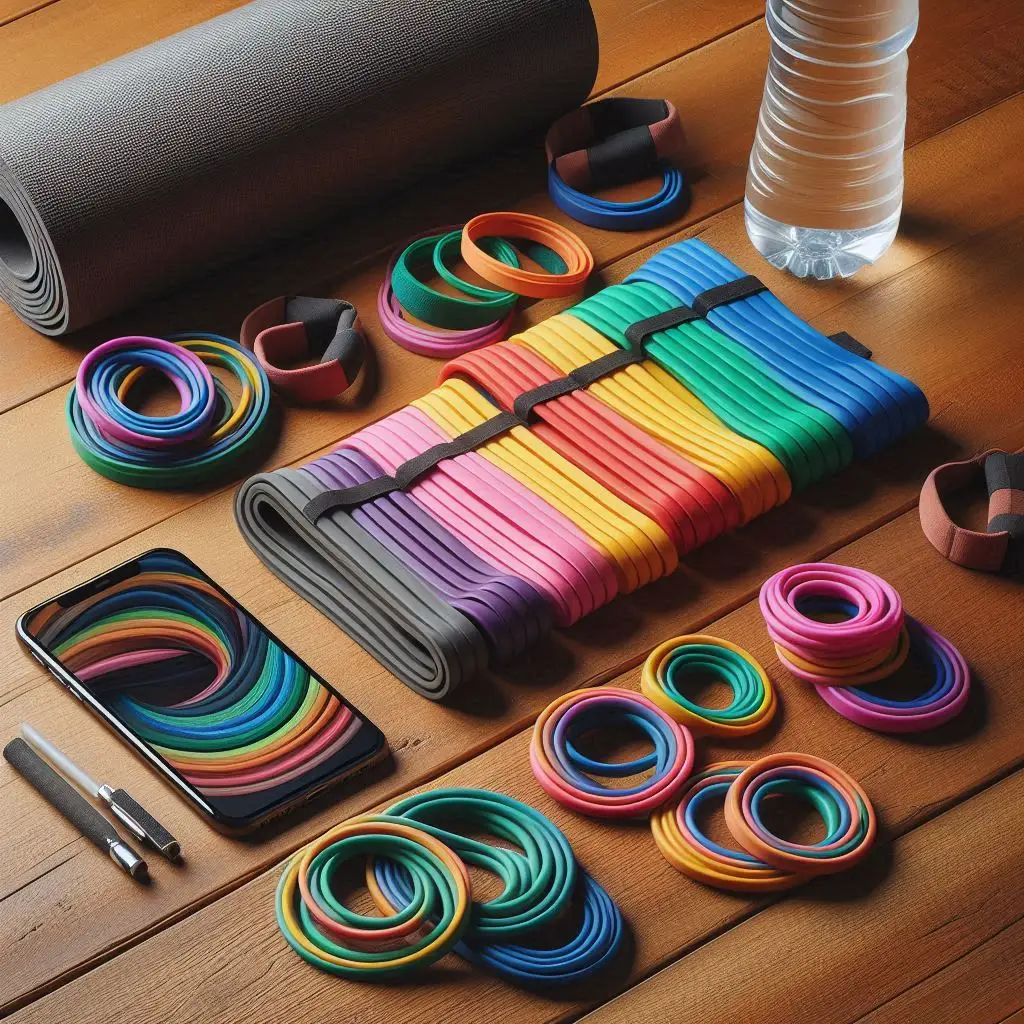
Loop resistance bands are a versatile and effective tool for enhancing your fitness routine. These compact and portable bands offer a wide range of resistance levels and applications, making them suitable for users of all fitness levels. In this comprehensive guide, we’ll explore the benefits, uses, and best practices for incorporating loop resistance bands into your workouts.
What Are Loop Resistance Bands?
- Loop resistance bands are continuous, flat bands made from durable latex or latex-free materials. They come in various resistance levels, typically indicated by different colors.
- These bands are designed to provide resistance during exercises, helping to strengthen and tone muscles.
Benefits of Using Loop Resistance Bands:
- Versatility: Loop resistance bands can be used for a wide range of exercises, targeting different muscle groups.
- Portability: Lightweight and compact, these bands are perfect for home workouts, travel, or outdoor exercise.
- Cost-effective: Compared to traditional gym equipment, loop resistance bands are an affordable option for strength training.
- Scalable resistance: The bands come in various resistance levels, allowing you to progress as you build strength.
- Low-impact: Resistance band exercises are generally easier on the joints compared to free weights.
- Improved muscle activation: The constant tension provided by the bands can lead to greater muscle engagement throughout exercises.
Types of Loop Resistance Bands:
- Loop resistance bands come in various types to suit different fitness needs:
- Mini bands: Small loops typically used for lower body and core exercises.
- Power bands: Larger loops designed for full-body workouts, strength training, and stretching.
- Fabric bands: Made from fabric for added comfort and durability, often used for lower body exercises.
How to Choose the Right Loop Resistance Band:
- When selecting a loop resistance band, consider the following factors:
- Fitness level: Beginners should start with lighter resistance bands and progress gradually.
- Exercise type: Different exercises may require specific band types or resistance levels.
- Goals: Your fitness objectives will influence the resistance level and band type you need.
- Comfort: Ensure the band’s material and design feel comfortable during use.
Popular Exercises with Loop Resistance Bands:
- Squats: Enhance lower body workouts by adding resistance to squats.
- Glute bridges: Target the glutes and hamstrings with added resistance.
- Lateral band walks: Improve hip stability and glute activation.
- Bicep curls: Strengthen the arms with resistance band curls.
- Leg press: Challenge the lower body with a resistance band leg press.
- Shoulder press: Build shoulder strength and stability.
- Tricep extensions: Target the back of the arms with resistance band tricep extensions.
- Deadlifts: Engage the posterior chain with resistance band deadlifts.
Tips for Using Loop Resistance Bands Safely:
- Inspect bands before each use for signs of wear or damage.
- Maintain proper form throughout exercises to prevent injury.
- Start with lighter resistance and gradually increase as you build strength.
- Avoid overstretching the bands beyond their intended capacity.
- Store bands in a cool, dry place away from direct sunlight.
- Clean bands regularly with mild soap and water.
Incorporating Loop Resistance Bands into Your Routine:
- Use bands as a warm-up tool before more intense workouts.
- Create a full-body workout routine using only resistance bands.
- Add bands to bodyweight exercises for increased difficulty.
- Utilize bands for post-workout stretching and cool-down.
- Combine band exercises with cardio for a well-rounded fitness program.
Loop Resistance Bands for Rehabilitation:
- Loop resistance bands are widely used in physical therapy and rehabilitation settings. They offer controlled resistance for gentle strengthening and can be easily adjusted to accommodate various stages of injury recovery. Always consult with a healthcare professional before using resistance bands for rehabilitation purposes.
- Loop resistance bands are powerful tools for enhancing your fitness journey. Their versatility, portability, and effectiveness make them an excellent addition to any workout routine.
- By incorporating loop resistance bands into your exercises, you can target specific muscle groups, improve overall strength, and achieve your fitness goals more efficiently.
- Remember to start with appropriate resistance levels, maintain proper form, and gradually increase the difficulty as you progress. With consistent use and proper technique, loop resistance bands can help you unlock new levels of fitness and strength, whether you’re working out at home, in the gym, or on the go.
Leave a Reply